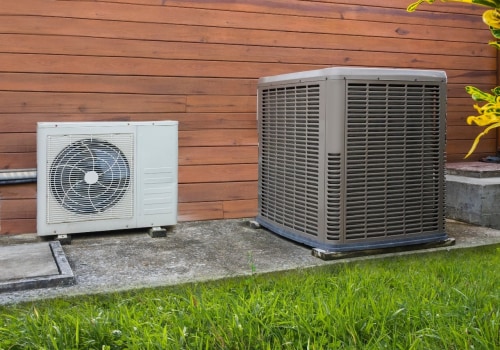
Central air conditioning systems are essential for maintaining a comfortable indoor environment, especially during the sweltering summer months. These systems work by cooling and dehumidifying the air in your home, providing a consistent temperature throughout various rooms. Understanding how these systems function is crucial for anyone considering AC installation, whether professionally or as a DIY project. At the core of a central air conditioning system are several key components: the compressor, condenser, evaporator coil, and ductwork. The compressor, usually located outside the home, pumps refrigerant through the system.
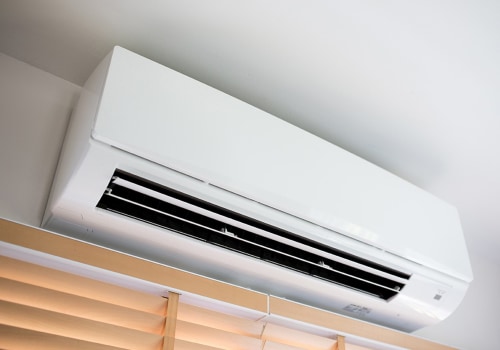
This refrigerant absorbs heat from inside your home and releases it outside through the condenser. Meanwhile, the evaporator coil, typically found inside the home, cools the air that is circulated through the ductwork. This process not only lowers the temperature but also reduces humidity levels, creating a more comfortable living space. There are various types of central air conditioning systems available on the market today. The most common include split systems, which consist of both an indoor and outdoor unit; packaged systems, where all components are housed in a single unit; and ductless mini-split systems that offer flexibility for homes without existing ductwork.
Each type has its own advantages and considerations, making it essential to choose one that fits your specific needs and home layout. Understanding how central air conditioning works and its various types lays the groundwork for evaluating whether to tackle an AC installation yourself or hire a professional. With this foundational knowledge, you can better assess the complexities involved in installation and maintenance, ensuring you make an informed decision that aligns with your skills and resources.
Pros of Installing Your Own Central Air Conditioning System
Installing your own central air conditioning system can be a rewarding endeavor, offering several advantages that make it an appealing option for many homeowners. Here are some of the key benefits of taking on this DIY project:- Cost Savings: One of the most significant advantages of a DIY AC installation is the potential for substantial cost savings. By opting to install the system yourself, you can avoid hefty labor fees that professional contractors typically charge.
While you will still need to purchase the unit and any necessary materials, eliminating labor costs can make a significant difference in your overall budget.
- Personal Satisfaction: Successfully completing a DIY project can provide a sense of accomplishment and pride. Installing your own central air conditioning system allows you to take ownership of your home improvement efforts. The knowledge and skills gained during the process can also boost your confidence for future projects.
- Flexibility in Scheduling: When you choose to install your own AC system, you have complete control over the timeline. You can work at your own pace, fitting the installation around your schedule rather than being constrained by a contractor's availability.
This flexibility can be particularly beneficial if you have other commitments or prefer to work during specific hours.
- Customization: DIY installation allows for greater customization of your air conditioning system. You can select the specific model and features that best suit your needs and preferences, ensuring that the system aligns with your home's layout and cooling requirements. Additionally, you can make adjustments during the installation process to optimize performance based on your unique circumstances.
- Learning Experience: Taking on a DIY AC installation project can be an excellent learning opportunity. As you navigate through the installation process, you'll gain valuable insights into how air conditioning systems work, which can be beneficial for troubleshooting future issues or making informed decisions about maintenance.
Understanding both the advantages and challenges will help ensure a successful outcome.
Cons of Installing Your Own Central Air Conditioning System
While the idea of installing your own central air conditioning system may seem appealing, there are several significant drawbacks that can make this decision more complicated than it appears. Understanding these cons is crucial for anyone considering a DIY approach.1.Risks Involved in Handling Refrigerants
One of the most critical aspects of central air conditioning installation is the handling of refrigerants. These substances are essential for the cooling process but can be hazardous if not managed correctly. Improper handling can lead to:
- Health Risks: Exposure to refrigerants can cause serious health issues, including respiratory problems and skin irritation.
- Environmental Concerns: Many refrigerants are harmful to the ozone layer and contribute to global warming.
Mishandling can result in leaks that have long-term environmental impacts.
- Legal Issues: In many areas, it is illegal to handle refrigerants without proper certification. Failing to comply with these regulations can lead to fines and legal repercussions.
2.Time Commitment Required for Proper Installation
Installing a central air conditioning system is not a quick weekend project. It requires a significant time investment, which can be daunting for many DIYers. Factors contributing to this time commitment include:
- Research and Planning: Understanding the specifications of your chosen unit, local building codes, and necessary permits can take considerable time.
- Installation Process: The actual installation involves multiple steps, including setting up ductwork, electrical connections, and ensuring proper refrigerant levels.
Each step requires careful attention to detail.
- Troubleshooting: If issues arise during installation, you may need additional time to diagnose and fix problems, which can extend the project timeline significantly.
3.Lack of Expertise Leading to Costly Mistakes
A lack of experience in HVAC systems can lead to mistakes that not only compromise the efficiency of your air conditioning unit but also result in expensive repairs down the line. Common errors include:
- Poor Ductwork Design: Incorrectly sized or poorly installed ductwork can lead to uneven cooling and increased energy costs.
- Electrical Issues: Improper wiring can create safety hazards or damage your unit, necessitating professional intervention.
- Refrigerant Mismanagement: Incorrect refrigerant levels can cause your system to underperform or fail entirely, leading to costly repairs or replacements.
Key Considerations Before Starting Your DIY Installation
Before diving into a DIY central air conditioning installation, there are several critical factors to consider that can significantly impact the success of your project. Understanding these elements will not only help you prepare adequately but also ensure that you comply with local regulations and achieve optimal performance from your new system.Essential Tools for AC Installation
One of the first steps in preparing for your DIY AC installation is gathering the necessary tools.Having the right equipment on hand can make the process smoother and more efficient. Here’s a list of essential tools you will likely need:
- Refrigerant gauges: These are crucial for measuring the pressure of the refrigerant in your system.
- Wrenches and screwdrivers: A variety of sizes will be needed to secure components and make adjustments.
- Drill and drill bits: For creating holes for mounting and securing the unit.
- Level: Ensures that your outdoor unit is installed correctly to avoid operational issues.
- Tape measure: Essential for accurate measurements during installation.
- Safety gear: Gloves, goggles, and a mask to protect yourself during the installation process.
Permits and Local Regulations
Another vital consideration is understanding the permits and regulations that may apply to your installation. Many localities require homeowners to obtain specific permits before installing a central air conditioning system. Failing to secure these permits can lead to fines or complications when selling your home in the future.Here are some steps to follow regarding permits:
- Check local building codes: Research your city or county’s regulations regarding HVAC installations.
- Obtain necessary permits: If required, apply for permits well in advance of your installation date.
- Consult with professionals: If you’re unsure about what’s needed, consider speaking with a licensed HVAC contractor who can guide you through the process.
The Importance of Ductwork
Your home’s existing ductwork plays a crucial role in the effectiveness of your new central air conditioning system. Before starting your installation, assess whether your current ductwork is adequate for the new system. Consider the following:- Duct size: Ensure that the ducts are appropriately sized for the airflow requirements of your new AC unit.
- Duct condition: Inspect for any leaks or damage that could hinder performance; repairs may be necessary before installation.
- Duct layout: Evaluate whether the existing layout will effectively distribute cool air throughout your home.
The Installation Process: Step-by-Step Guide
Installing a central air conditioning system can be a rewarding yet challenging endeavor.To ensure a successful installation, it’s crucial to follow a systematic approach. Below is a detailed step-by-step guide to help you navigate the process effectively.
- Gather Necessary Tools and Materials: Before starting, make sure you have all the required tools, including a level, drill, wrenches, screwdrivers, and safety gear. Additionally, purchase your central air conditioning unit and any necessary components such as ductwork, refrigerant lines, and electrical supplies.
- Select the Installation Location: Choose an appropriate location for the outdoor condenser unit. It should be on a solid surface, away from obstructions, and ideally in a shaded area to enhance efficiency.
Ensure that the indoor air handler is also placed in a central location for optimal airflow.
- Install the Indoor Unit: Begin by mounting the indoor air handler on the wall or ceiling. Use a level to ensure it is straight. Secure it with screws and brackets as per the manufacturer’s instructions. Make sure to connect the condensate drain line properly to avoid water damage.
- Set Up Ductwork: If your home does not have existing ductwork, you will need to install it.
This involves measuring and cutting ducts to fit your space. Ensure all connections are sealed tightly to prevent air leaks.
- Install the Outdoor Unit: Position the outdoor condenser on a concrete pad or platform. Level it and secure it in place. Connect the refrigerant lines from the indoor unit to the outdoor unit, ensuring they are insulated properly.
- Electrical Connections: Connect the electrical wiring from your home’s power supply to both the indoor and outdoor units.
This step may require an electrician if you are not familiar with electrical work. Ensure all connections are secure and comply with local codes.
- Test the System: Once everything is connected, turn on the power and test your system. Check for any unusual noises or leaks. Make sure that both units are functioning correctly before sealing up any access points.
Common Mistakes to Avoid:
- Underestimating Electrical Work: If you lack experience with electrical systems, consider hiring a professional for this part of the installation.
- Poor Duct Sealing: Failing to seal duct joints can lead to significant energy loss and reduced efficiency.
- Ignoring Local Codes: Always check local building codes and regulations before starting your installation to avoid fines or safety issues.
Frequently Asked Questions About AC Installation
When considering AC installation, many homeowners have questions about the process, whether to go the DIY route or hire professionals, and how to troubleshoot common issues.Here are some frequently asked questions that can help clarify these concerns.
What are the benefits of hiring a professional for AC installation?
Hiring a professional for your AC installation comes with several advantages:- Expertise: Professionals have the training and experience to handle complex installations, ensuring that everything is set up correctly.
- Time-saving: A professional can complete the installation much faster than a DIYer, allowing you to enjoy your new system sooner.
- Warranty Protection: Many manufacturers require professional installation for warranty coverage, protecting your investment.
- Safety: Professionals are trained to handle refrigerants and electrical components safely, reducing the risk of accidents.
Can I install an AC unit myself?
While it is possible to install an AC unit yourself, it is essential to consider your skills and knowledge. If you have experience with HVAC systems and are comfortable working with electrical components, you may be able to tackle the project. However, keep in mind:- You will need specialized tools and equipment.
- You must comply with local building codes and regulations.
- Improper installation can lead to inefficiency or damage to the unit.
What should I do if my AC system is not cooling properly after installation?
If you notice that your AC system is not cooling effectively after installation, consider the following troubleshooting steps:- Check the Thermostat: Ensure that it is set to the correct temperature and mode.
- Inspect Air Filters: Dirty or clogged filters can restrict airflow, affecting cooling performance.
- Examine Ductwork: Leaks or blockages in ductwork can prevent cool air from reaching rooms.
- Verify Refrigerant Levels: Low refrigerant levels can indicate a leak or improper charging during installation.
Conclusion: Weighing Your Options for Central Air Conditioning Installation
In conclusion, the decision to undertake AC installation on your own or to hire a professional is not one to be made lightly. Each option comes with its own set of advantages and disadvantages that must be carefully considered in light of your specific circumstances.On one hand, opting for a DIY installation can lead to significant cost savings.You have the potential to save on labor costs, which can be substantial given the complexity of central air conditioning systems. Additionally, if you are handy and possess a good understanding of HVAC systems, you may find satisfaction in completing the project yourself. However, this route is fraught with challenges. The technical knowledge required for proper installation is extensive, and any mistakes can lead to costly repairs or even safety hazards.Conversely, hiring a professional ensures that the job is done correctly and efficiently.
Professionals bring expertise and experience that can prevent common pitfalls associated with DIY installations. They are also familiar with local building codes and regulations, which can save you from potential legal issues down the line. However, this convenience comes at a price, and the initial investment may be higher than anticipated.Ultimately, it is crucial to assess your own skills and comfort level with such a significant project. Ask yourself:
- Do I have the necessary tools and equipment?
- Am I familiar with HVAC systems and their installation requirements?
- Can I dedicate the time needed to complete this project without rushing?
- What are the potential risks if something goes wrong?
Remember that while DIY projects can be rewarding, they also come with risks that could outweigh the benefits.In summary, whether you choose to install your own central air conditioning system or hire a professional, thorough research and careful consideration of your options will lead you to the best decision for your home and budget.